




Understanding the psychological triggers that drive gambling behavior in casinos
The allure of risk and reward
The thrill of gambling often stems from the inherent risk involved, which can act as a powerful psychological trigger. When players engage in games of chance, they are not just risking their money; they are also pursuing the exhilarating possibility of winning big. This combination of potential loss and reward creates a compelling dynamic that attracts individuals to casinos, including the pin up casino. The concept of “variable reinforcement,” where rewards are given unpredictably, can amplify this allure, making the experience more engaging and addictive.
Furthermore, the anticipation of a win can produce a rush of dopamine, a neurotransmitter associated with pleasure and reward. This chemical reaction reinforces the behavior, encouraging players to keep gambling in hopes of replicating that high. This constant chase can lead to habitual gambling, as individuals often find themselves returning for that fleeting moment of euphoria.
The role of environmental cues
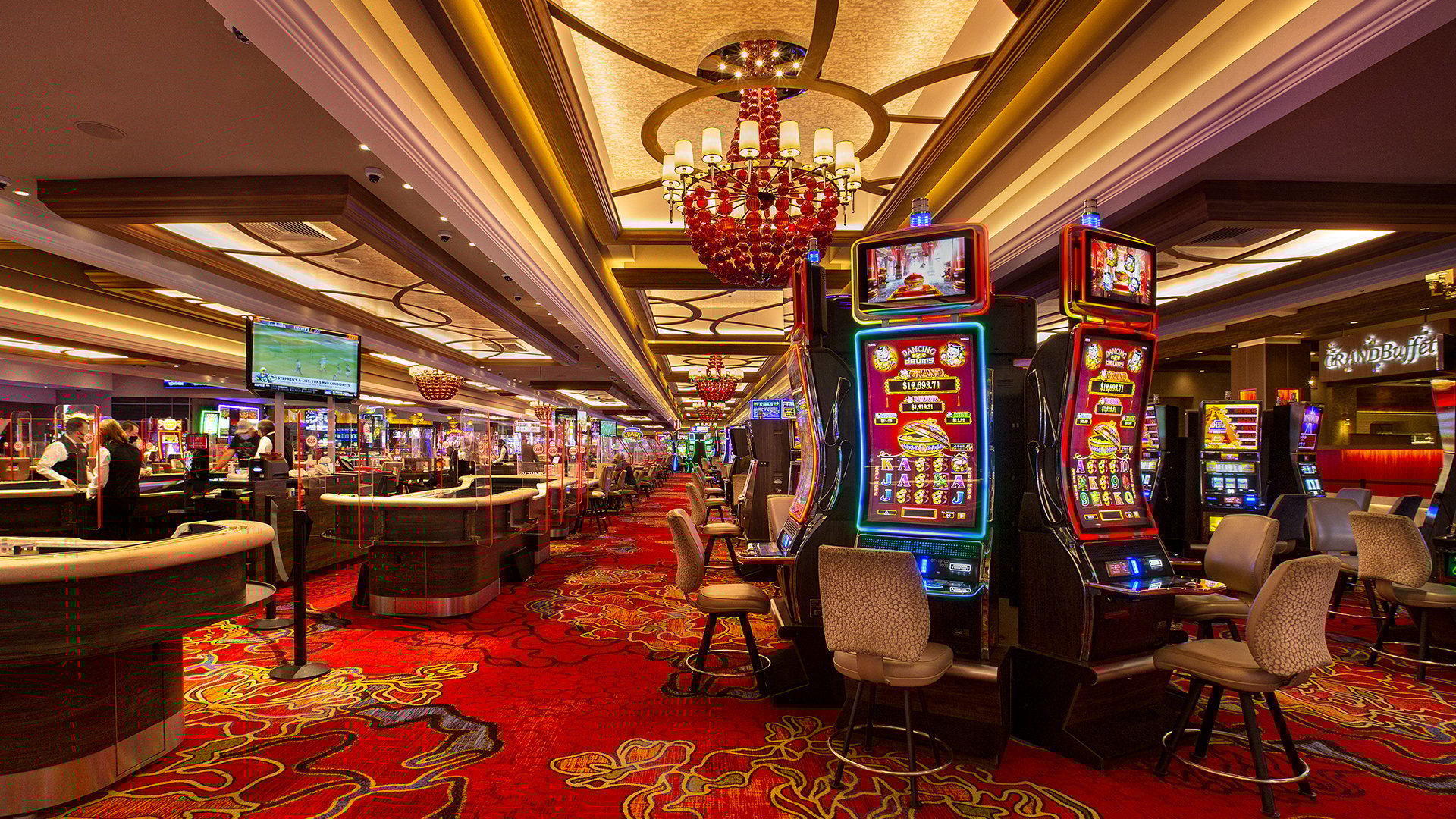
Certain aspects of the casino environment can trigger gambling behavior by stimulating the senses. Bright lights, vibrant colors, and upbeat music are meticulously designed to create an exhilarating atmosphere that encourages prolonged play. These sensory inputs can create a euphoric state, making it easier for gamblers to lose track of time and money spent. The architecture of a casino is also crucial; often, there are no clocks or windows, which enhances the feeling of being in a different world, further immersing players in their gaming experience.
Moreover, the presence of other players can act as a social trigger. Seeing others win can evoke feelings of competitiveness and desire to join in the excitement. This social validation can lead individuals to gamble more, as they seek to replicate the successes they observe around them. The communal aspect of gambling can thus become a strong motivator, reinforcing the behavior through peer influence.
Cognitive biases and decision-making
Cognitive biases play a significant role in gambling behavior, influencing how individuals perceive risks and rewards. One common bias is the “gambler’s fallacy,” where players believe that past losses will lead to future wins, creating a false sense of optimism. This can lead gamblers to continue playing, convinced that their luck is about to change. Additionally, the illusion of control is another cognitive distortion; players often overestimate their ability to influence outcomes, particularly in games of chance.
These cognitive distortions not only affect individual decisions but can also create a cycle of reinforcement. As players experience small wins or near-misses, they interpret these outcomes as signs of skill or an impending larger win, which further entices them to continue gambling. This cycle can perpetuate gambling behavior even in the face of substantial losses, making it challenging for individuals to recognize when to stop.
Emotional connections and escapism
For many, gambling serves as an escape from the challenges and stresses of daily life. The casino environment provides a temporary refuge, where players can immerse themselves in a world of excitement and possibility. This emotional connection to gambling can be a powerful driver, particularly for those seeking to distract themselves from personal issues or hardships. The thrill of gambling may offer a sense of control and empowerment, momentarily alleviating feelings of anxiety or depression.
Moreover, the emotional highs associated with gambling can become addictive. Players may chase these feelings, leading to compulsive gambling behavior. The pursuit of a “big win” or the desire to recapture past successes can overshadow logical decision-making, reinforcing the cycle of gambling as both an escape and a source of emotional fulfillment.
Exploring the Pin Up Casino experience
Pin Up Casino offers an engaging online gaming platform that leverages the psychological triggers discussed. With its dynamic selection of games, players can find numerous opportunities for excitement and potential rewards. The immersive experience created by the platform’s design enhances player engagement, tapping into the same triggers that drive traditional casino behavior.
Moreover, Pin Up Casino prioritizes user security and ease of navigation, allowing players to focus on the thrill of gaming without concerns about their personal information. The platform’s commitment to providing a seamless experience ensures that both novice and experienced gamblers can enjoy the excitement of online gaming, fully experiencing the psychological drivers of their gambling behavior in a safe environment.