




Exploring how gambling shapes societal norms and values
The Historical Context of Gambling
Gambling has a long-standing presence in human civilization, dating back thousands of years. Ancient cultures often integrated games of chance into their social practices, reflecting a fascination with luck and fate. In many societies, these activities were not merely about financial gain but also served as communal events, fostering relationships and cultural connections. Today, many are drawn to the thrill of a sweepstakes casino, which highlights how far these practices have come.
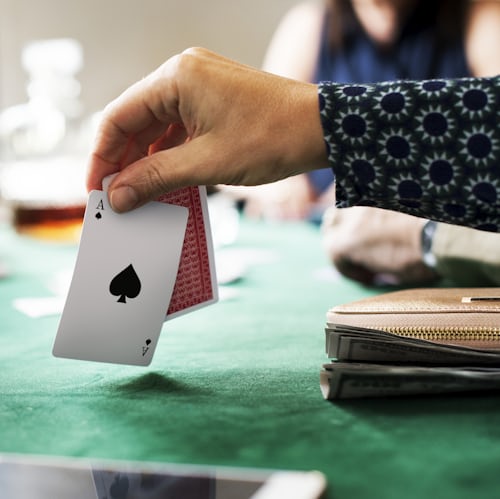
Over time, gambling evolved, influenced by economic shifts, technological advancements, and changing moral perspectives. In some cultures, it transitioned from a respected pastime to a stigmatized vice, shaped by the prevailing societal norms and values of the time. This historical backdrop is crucial for understanding its current role in society.
Gambling and Economic Implications
The financial ramifications of gambling extend far beyond individual losses or wins. In many regions, the gambling industry is a significant contributor to the economy, generating jobs, funding public services, and stimulating tourism. This economic dimension can lead to a more favorable view of gambling within certain communities, reinforcing its acceptance as a legitimate form of entertainment.
However, the economic benefits must be weighed against potential social costs. Issues such as gambling addiction, financial instability, and crime can emerge, affecting not only the individual but also families and communities. These conflicting perspectives shape how gambling is viewed within societal frameworks, often leading to heated debates regarding regulation and morality.
Gambling and Social Behavior
Gambling has a profound impact on social behavior, influencing how individuals interact and form relationships. It can serve as a bonding experience among friends and family, providing a shared activity that fosters camaraderie. On the other hand, it can also lead to isolation for those who struggle with addiction, altering social dynamics and creating a divide between gamblers and non-gamblers.
Furthermore, gambling can shape societal values by promoting risk-taking and competition. Many people view gambling as a test of skill and strategy, often translating these attributes into other areas of life, such as business or personal endeavors. This cultural narrative can either encourage entrepreneurial spirit or contribute to destructive behavior, depending on individual and societal responses.
Changing Attitudes Towards Gambling
In recent years, societal attitudes towards gambling have shifted significantly, particularly with the rise of online gambling platforms and sports betting. The accessibility and convenience of these options have normalized gambling, leading to broader acceptance across different demographics. This change reflects a growing recognition of gambling as a legitimate form of recreation rather than merely a vice.
However, this normalization brings with it new challenges, including increased rates of gambling addiction and calls for better regulation and education. As society grapples with these issues, it is essential to balance the positive aspects of gambling’s integration into daily life with the potential risks it poses to individuals and communities.

Understanding Our Perspectives on Gambling
This website serves as a platform for exploring the complexities surrounding gambling and its influence on societal norms and values. By providing information and insights, we aim to foster a deeper understanding of how gambling affects not just individuals but entire communities. Through critical examination and open dialogue, we can better navigate the implications of gambling in our lives.
Ultimately, our goal is to encourage responsible gambling practices and informed conversations, recognizing both the joys and challenges that come with this age-old activity. Engaging with diverse perspectives can help shape a more balanced view of gambling and its role in contemporary society.